



Some rooms in homes never seem to feel quite right.
You change the lighting, repaint the walls, and rearrange the furniture. And the space feels dim; almost closed in, no matter how much effort you put into brightening it.
Most homeowners often get frustrated because the issue isn’t what’s inside the room. But it’s what’s missing.
When Artificial Light Isn’t Enough
Most people try to fix darkness with more lighting like brighter bulbs, additional fixtures, and warmer tones.
These fixes help, but only to a point.
Artificial light fills a space, but it doesn’t transform the space. It doesn’t change how the room feels during the day and create depth or openness. That’s because natural light works differently.
It changes, moves, and interacts with surfaces that artificial light can’t replicate. Without it, a room can feel flat, regardless of how well it’s lit.
The Direction of Light Matters
Not all light enters a room the same way.
Windows placed on vertical walls depend on external factors like nearby buildings, trees, or even the direction the house faces. In some cases, very little daylight makes it inside.
That’s why certain spaces like lofts, extensions, or internal rooms often feel darker than expected. They’re not designed to capture light effectively.
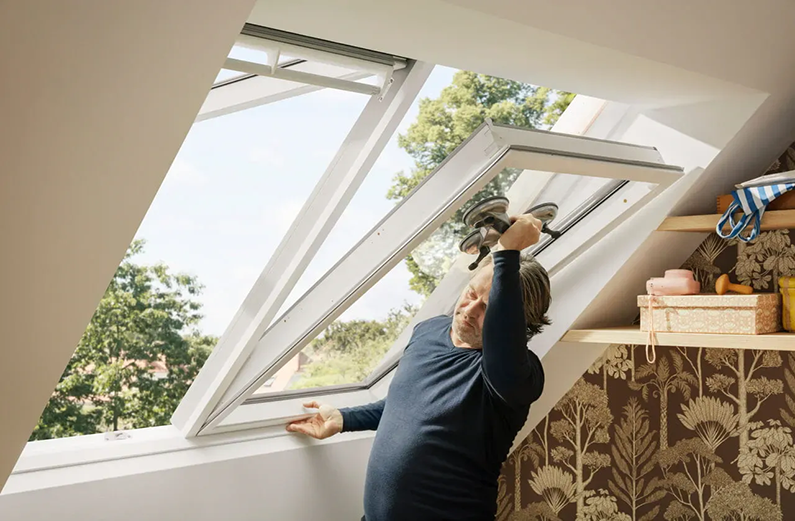
Roof windows bring light from above, which allows it to spread evenly throughout the space. Rather than depending on limited angles, the room receives consistent daylight for longer periods.
Homeowners searching for roof window installers near me consider this change to make it the turning point in how a room feels.
Space Feels Different with Natural Light
Light doesn’t just affect visibility, but it changes perception.
A well-lit room feels larger, more open, and more comfortable to spend time in. Shadows soften, and colours appear more natural.
Without enough daylight, a well-designed room can feel restricted.
Installing roof windows or skylights adds a sense of openness that artificial lighting can’t create.
Airflow Plays a Role Too
Dark rooms often feel heavier visually and physically. They are usually connected to airflow.
Spaces without proper ventilation can feel enclosed, which adds to the sense of dimness. Introducing roof windows brings in light and allows fresh air to circulate.
That combination can leave you with a home environment that feels lighter and easier to be in.
Small Changes for a Noticeable Impact
Natural light takes a little time to make a difference inside a living space. A single perfectly-placed roof window can transform a space.
Modern options—like centre-pivot or top-hung designs fit easily into different roof types. Solutions like electric or solar-powered windows make it easy to control light and ventilation in hard-to-reach areas.
Additional features like blinds, awnings, and shutters help you manage brightness, privacy, and insulation without losing the benefits of daylight.
These features create a noticeable shift in how the space works.
When Repairs Make the Difference
Sometimes, the issue isn’t the absence of windows, but their condition.
Damaged glazing, worn seals, or faulty mechanisms can reduce the amount of light getting inside the room. The small issues can affect clarity and insulation.
Repairing or upgrading existing roof windows can restore their original performance—often without the need for complete replacement.
Conclusion
A room that feels dark isn’t always lacking design, but it’s often lacking the right kind of light. Natural daylight changes how a space looks, feels, and functions, which artificial lighting can’t match.
With Yorkshire Roof Windows roof installers near you in the York areas, homeowners can bring in light, improve airflow, and transform the dimmest spaces into open, comfortable, and naturally bright.